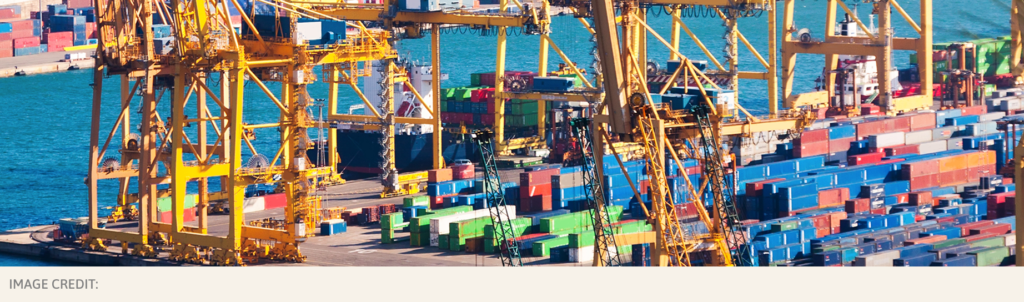
In every post-shipment review we’ve run with clients, the same cost centre gets the least scrutiny: the time between a container’s customs clearance and its actual departure from the port gate. It doesn’t appear as a line item in most freight invoices. It rarely makes it into logistics KPI dashboards. But it is often the single most controllable cost in a port-to-hinterland movement — and for high-volume importers, it can run into tens of lakhs per month.
Port dwell time is defined as the period a container spends inside port premises after arrival (for imports) or after stuffing (for exports). The costs it generates fall into three categories that are frequently conflated or missed entirely.
The Three Cost Categories Nobody Fully Accounts For
The first and most visible cost is demurrage — the charge levied by the shipping line when a container is not returned within the free period, typically 3–5 days for standard containers at major Indian ports. At JNPT, demurrage charges on a 20FT container start at roughly ₹3,500 per day after the free period and escalate sharply beyond day 7. Importers moving 50 containers per month with even a 2-day average overage are looking at ₹3.5 lakh per month before the rates step up.
The second category is detention — charged by the shipping line when the container itself is not returned after being taken out of port. This is often confused with demurrage but is a separate charge that begins the moment the container exits the port gate and doesn’t end until it’s returned to the shipping line’s designated depot. For clients running lean factory operations, this is the charge that most frequently surprises finance teams.